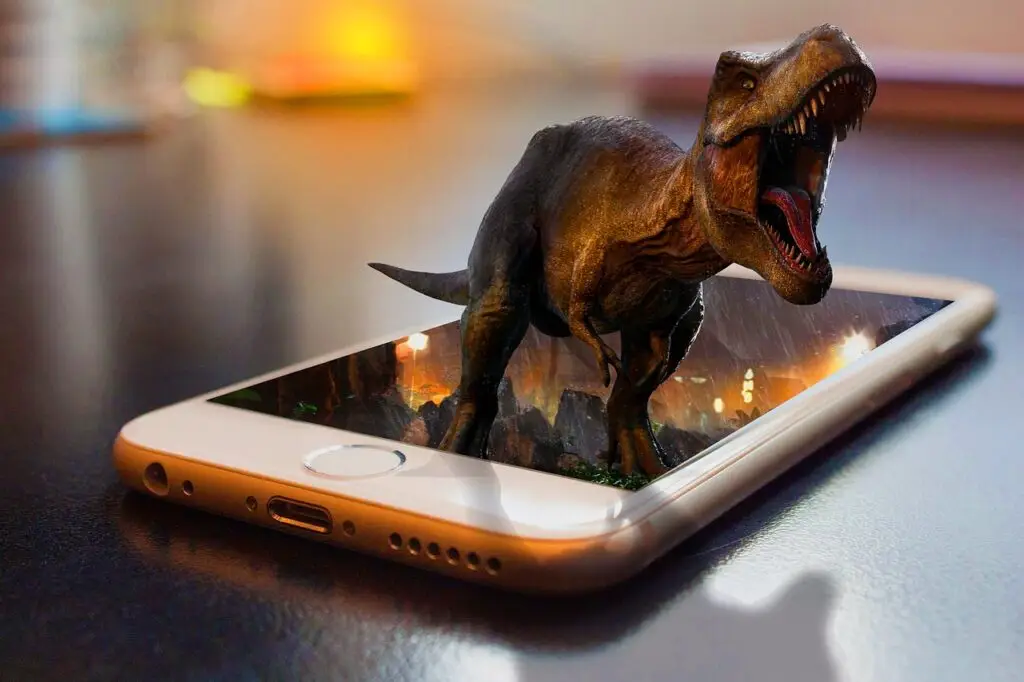
In 2025, digital design is no longer about flat screens and static layouts. Interfaces are evolving into immersive experiences where 3D visualisation, AI design, and UX/UI principles merge to create environments that feel alive, intuitive, and interactive. As a freelance creative designer, I’ve seen firsthand how immersive design is shaping the future of websites, apps, and digital storytelling. This blog explores how 3D, AI, and UX are blending in 2025 to redefine user experiences.
What is Immersive Interface Design?
Immersive interface design goes beyond visuals — it’s about crafting digital experiences that feel spatial, dynamic, and human. Instead of users clicking through pages, they explore environments. 3D visualisation, motion graphics, and AI-driven personalisation make users feel part of the story. Think VR/AR-enabled websites, AI-adaptive dashboards, and fluid UI elements inspired by Apple’s new “Liquid Glass” design language.
Why Immersive Design Matters in 2025
- User Expectations – Gen Z and Millennials want interactive, cinematic digital experiences.
- Brand Differentiation – Businesses stand out by offering futuristic, memorable interfaces.
- Cross-Platform Versatility – Immersive design adapts to web, mobile, VR, AR, and wearables.
- Freelance Advantage – For me, offering immersive UX/UI services makes my freelance portfolio unique and future-ready.
Core Elements of Immersive Design
1. 3D Visualisation
3D is no longer limited to games or films. In 2025, websites and apps use 3D models to create depth and realism. I integrate Blender and Cinema4D visuals into websites to create interactive product showcases, architectural flythroughs, and immersive landing pages.
2. Motion Graphics
Motion graphics add energy to immersive interfaces. Smooth scroll animations, interactive transitions, and kinetic typography give users a sense of rhythm while navigating. My motion design experiments often merge with 3D visuals for maximum impact.
3. AI Design
AI design makes interfaces adaptive. Imagine a dashboard that learns your workflow and changes layout automatically. I use AI-assisted tools to prototype faster and create smarter, user-centred interfaces.
4. UX/UI Psychology
Immersive design isn’t just visual—it’s behavioural. User psychology guides colour, motion, and spatial navigation choices. My UX/UI design process ensures that immersive interfaces stay intuitive instead of overwhelming.
Applications of Immersive Interfaces
- E-Commerce – 3D product try-ons, AI-driven recommendations, and AR previews.
- Real Estate – Virtual property walkthroughs integrated into websites.
- Education – Interactive learning platforms with 3D visualisation.
- Branding – Immersive storytelling websites with motion graphics and AI-driven content.
Tools & Skills I Use
- Blender & Unreal Engine – For 3D assets and real-time rendering.
- Adobe After Effects – For motion graphics and micro-interactions.
- Figma & Framer – For UI/UX prototyping and immersive layouts.
- AI Tools – For concept generation, adaptive layouts, and design automation.
My Immersive Design Workflow
- Research – Understanding target users and brand identity.
- Concept Sketching – Visualising layouts in 2D before jumping to 3D.
- 3D Modelling – Creating interactive models in Blender.
- Integration – Combining 3D visuals, motion graphics, and UX/UI.
- Testing – Ensuring speed, responsiveness, and usability.
- Delivery – Final rendering and embedding into websites/apps.
Challenges in Immersive Design
While immersive design is exciting, it comes with challenges. Heavy 3D assets can slow websites, AI-driven interfaces need user trust, and balancing aesthetics with functionality is always tricky. As a freelance creative designer, I tackle these by optimising files, explaining processes to clients, and staying updated with UX best practices.
The Future of Immersive Interfaces
By 2030, immersive design will likely merge with AI, AR/VR, and real-time 3D engines to create digital environments indistinguishable from reality. For freelancers like me, staying ahead in UX/UI, AI design, 3D visualisation, and motion graphics ensures long-term growth and relevance.
Conclusion
Immersive interface design is the future of digital creativity. It combines 3D depth, AI intelligence, and UX psychology to craft experiences that feel alive. My freelance portfolio is a growing reflection of this journey, where each project is more interactive, experimental, and user-focused than the last.
 Explore my portfolio and blog to see how I design immersive experiences with 3D visualisation, motion graphics, AI design, and UX/UI.
You dream it. We forge it.